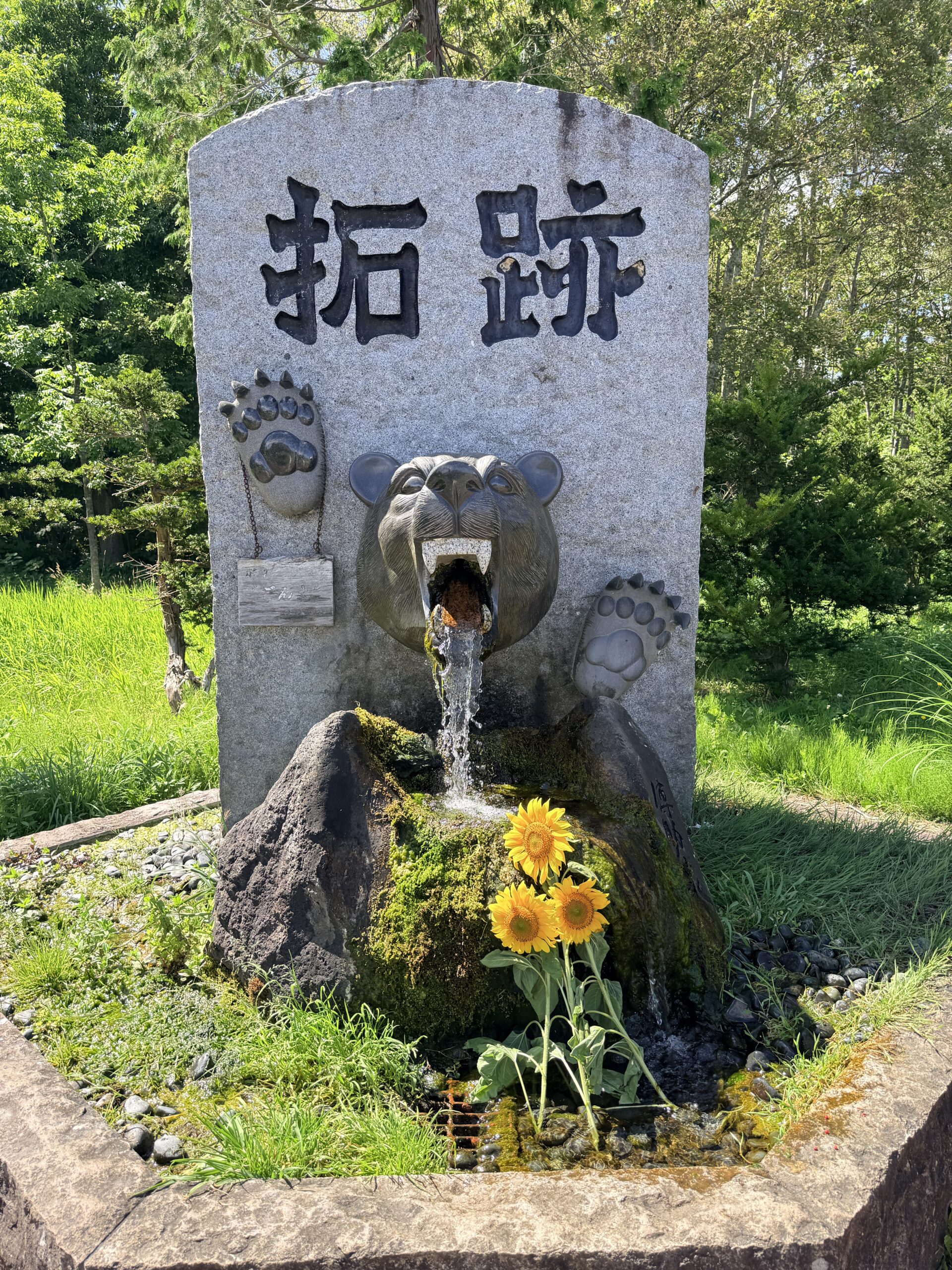
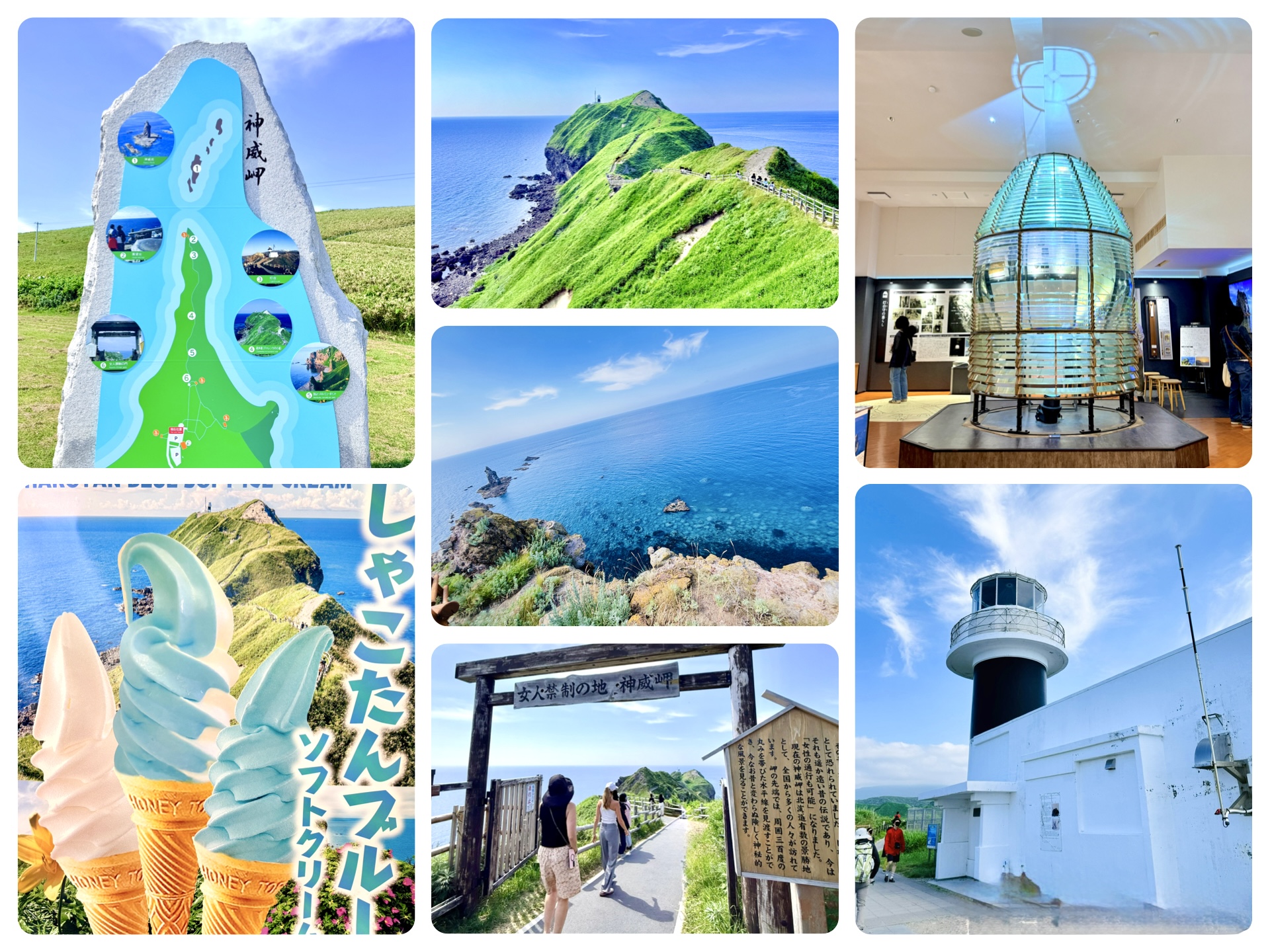
Cape Kamui Parking & Walking Time: Our Experience
Looking for information about Cape Kamui parking and walking time?
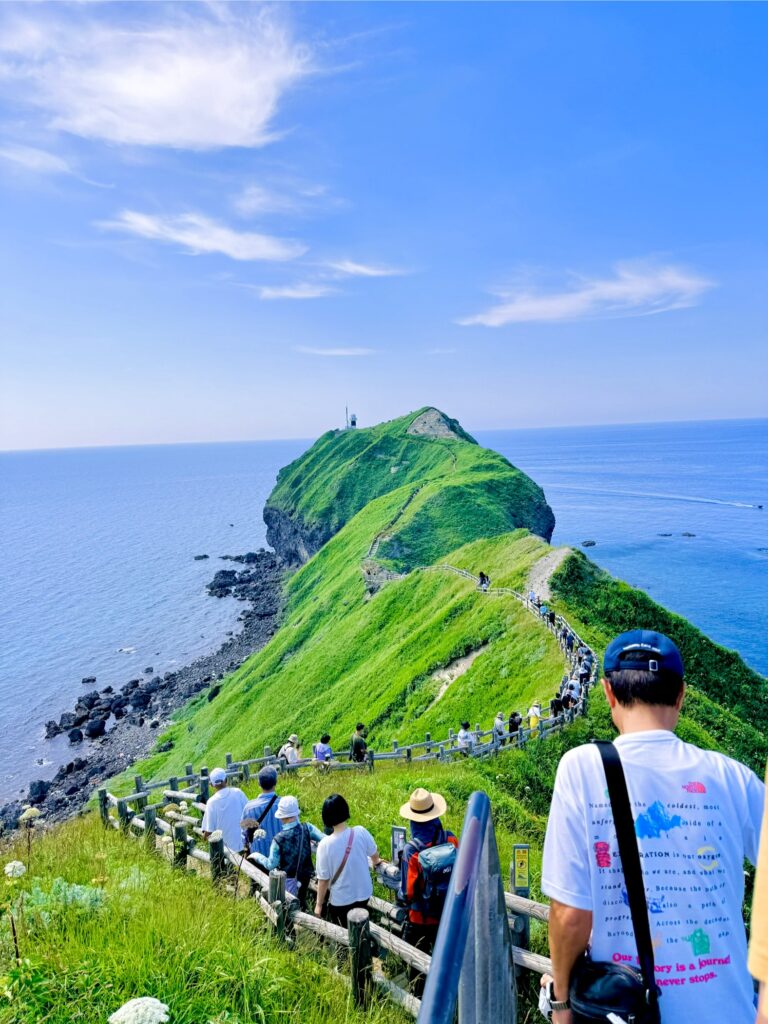
On July 3, 2026, I visited Cape Kamui in Shakotan, Hokkaido, with a coworker and walked from the parking area all the way to the tip of the cape.
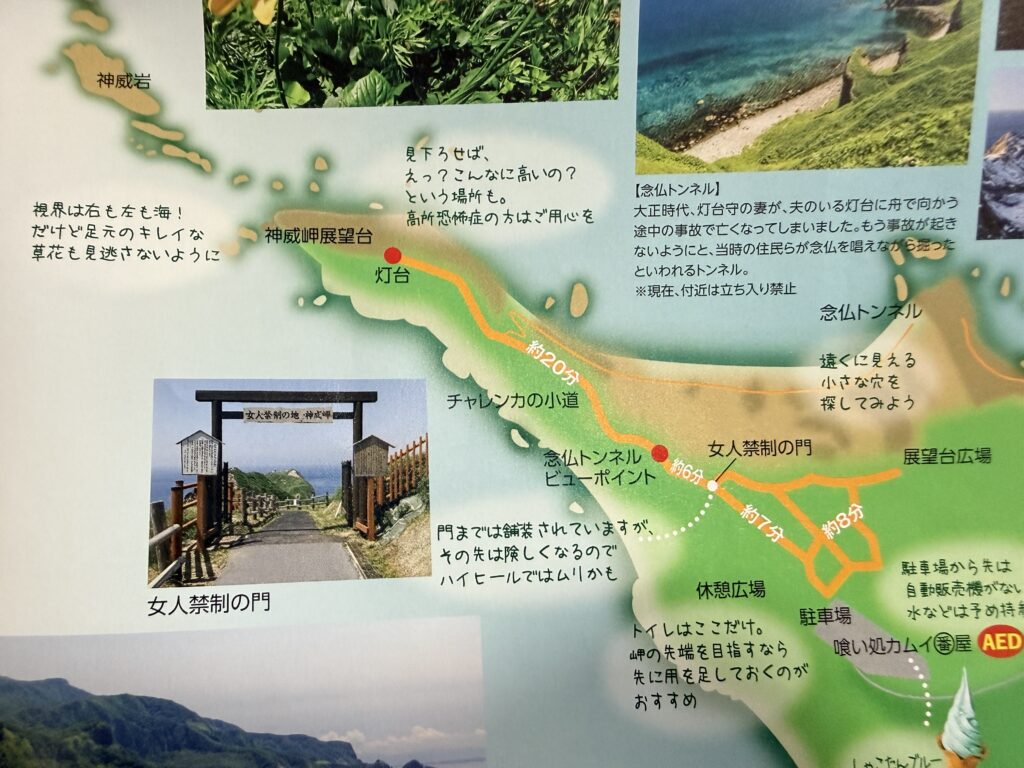
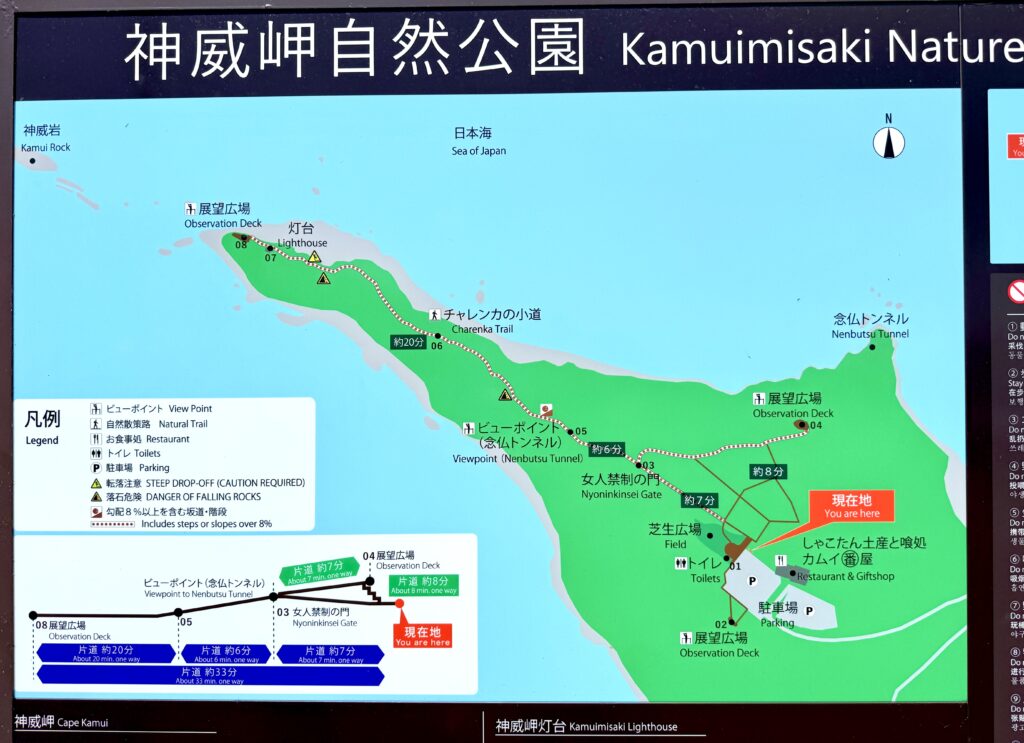
It took us about 10–15 minutes to walk uphill from the parking area to the “Women-Forbidden Gate.” Beyond the gate, the Charenka Trail has stairs and plenty of ups and downs, with narrow sections where visitors may need to stop and let others pass.
The round trip from the gate to the tip of Cape Kamui took us about one hour, including photo stops and time spent waiting for other visitors to pass. Including our stop at Kamui Banya, our total visit was just under two hours.
- Parking area → Women-Forbidden Gate: about 10–15 minutes
- Gate → tip of Cape Kamui → gate: about 1 hour
- Total time at Cape Kamui: just under 2 hours
During our visit, the regular parking area was about 70% full, and we counted seven large sightseeing buses. Despite the number of visitors, we experienced no traffic congestion on the drive to Cape Kamui and enjoyed views of the blue sky, Shakotan Blue sea, and green mountains along the way.
Cape Kamui offers much more than its famous blue sea. This guide covers the parking area, actual walking time, Charenka Trail, Women-Forbidden Gate, Cape Kamui Lighthouse, toilets, Kamui Banya, and other highlights we saw during our visit.
Cape Kamui Highlights|Walking the Charenka Trail
About 10–15 Minutes Uphill to the Women-Forbidden Gate
From the parking area, it took us about 10–15 minutes to reach the Women-Forbidden Gate. The route is mostly uphill, so the walk takes a little more energy than the distance might suggest.
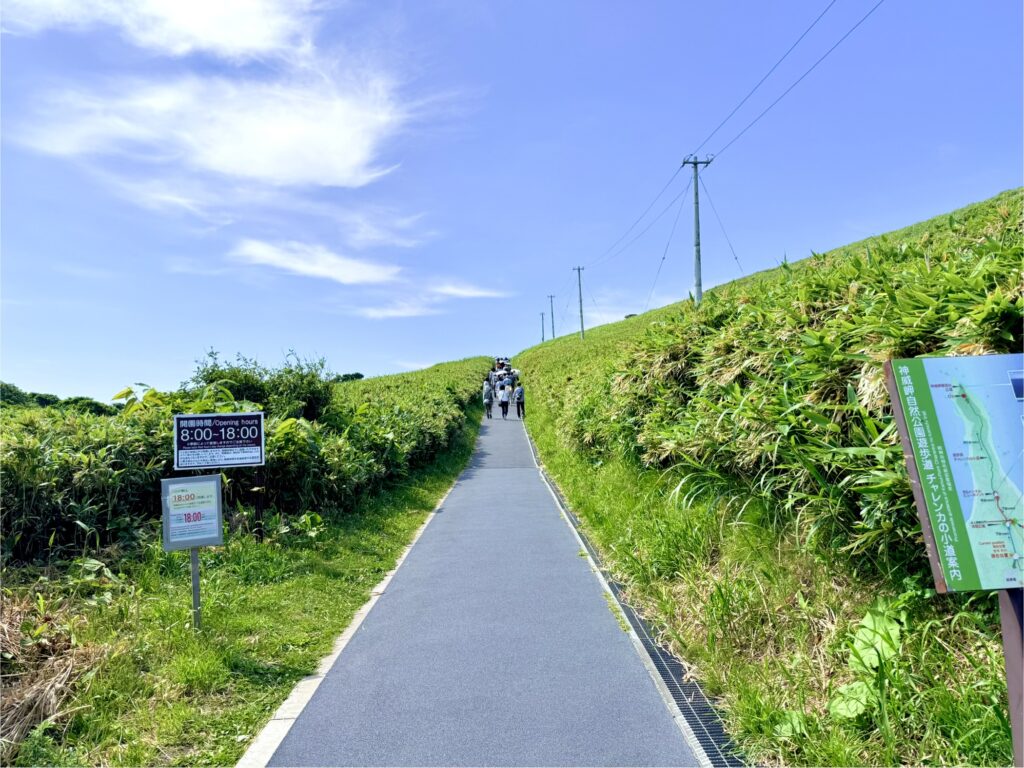
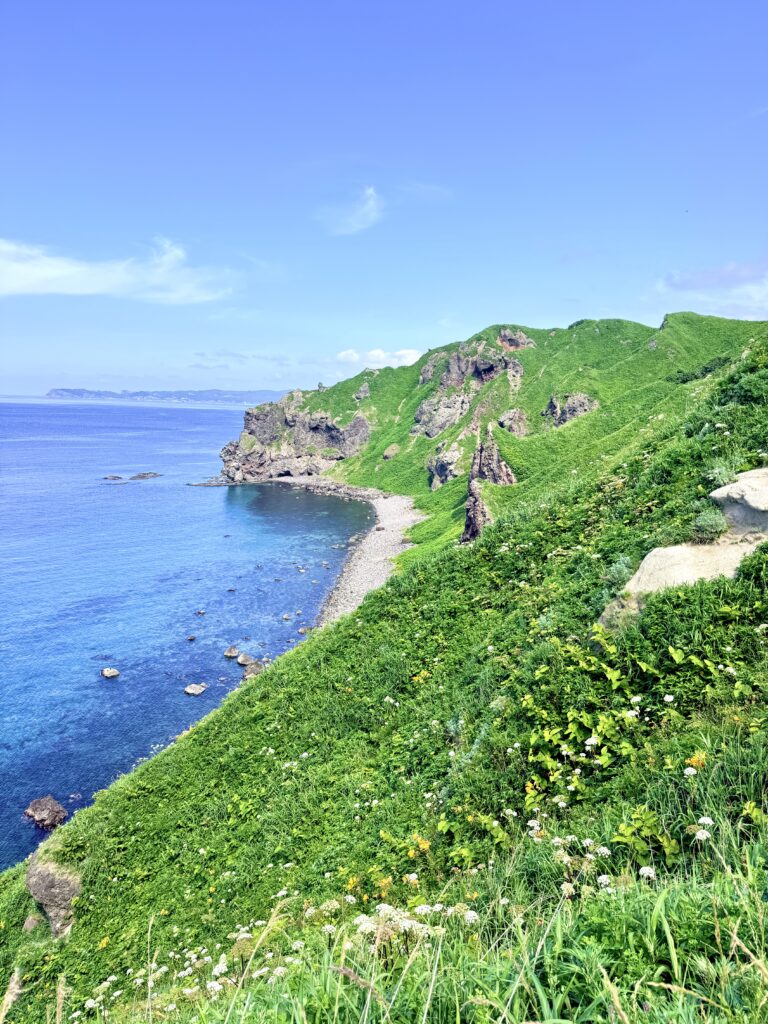
Beyond the gate begins the Charenka Trail, which follows the narrow ridge toward the tip of Cape Kamui. There are stairs and repeated ups and downs, with beautiful views of the Sea of Japan on both sides.
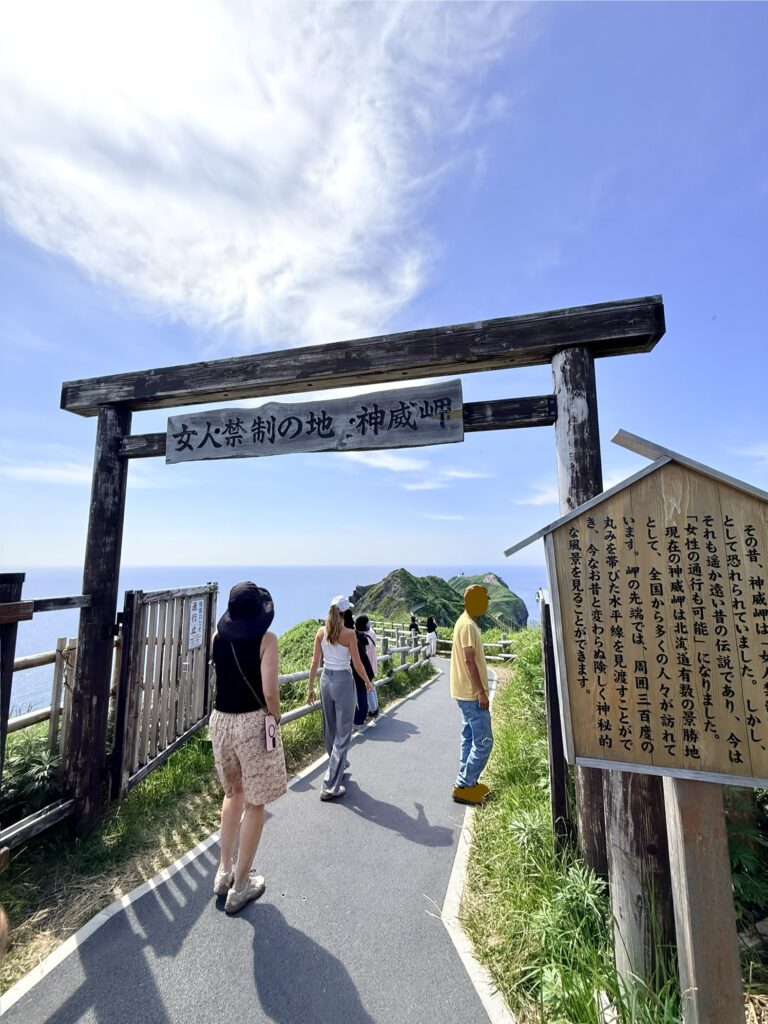
There were quite a few visitors during our trip. At narrower sections of the trail, people stopped and waited for each other to pass, so it is worth allowing extra time rather than planning around walking time alone.
Shakotan Blue from the Tip of Cape Kamui
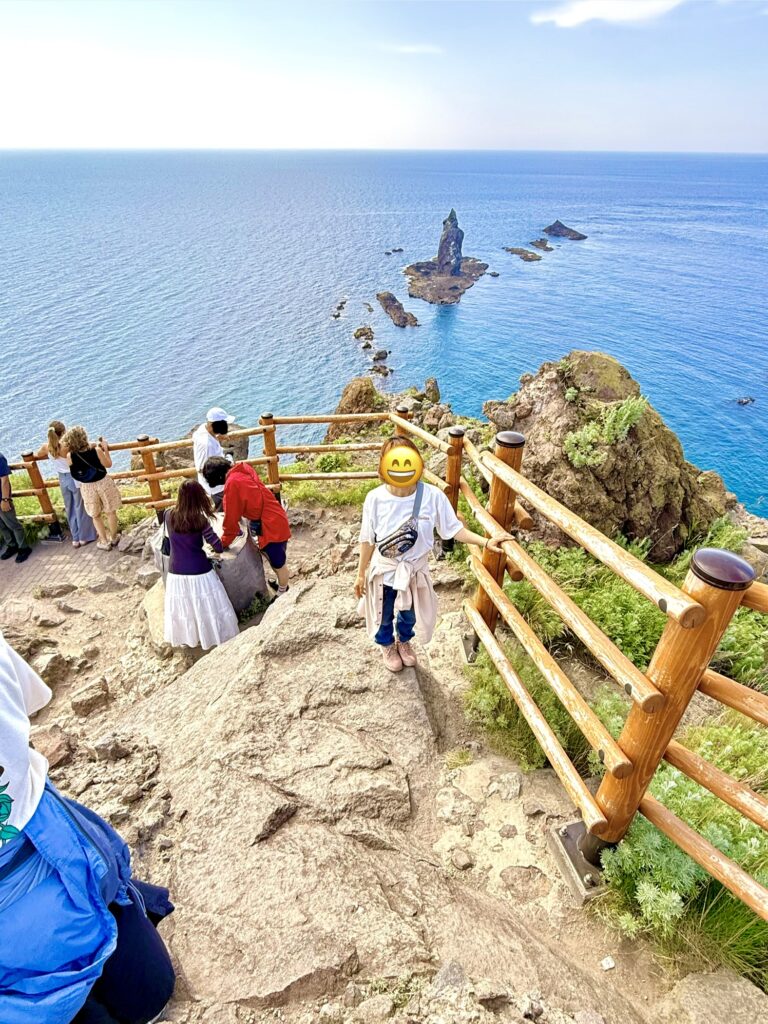
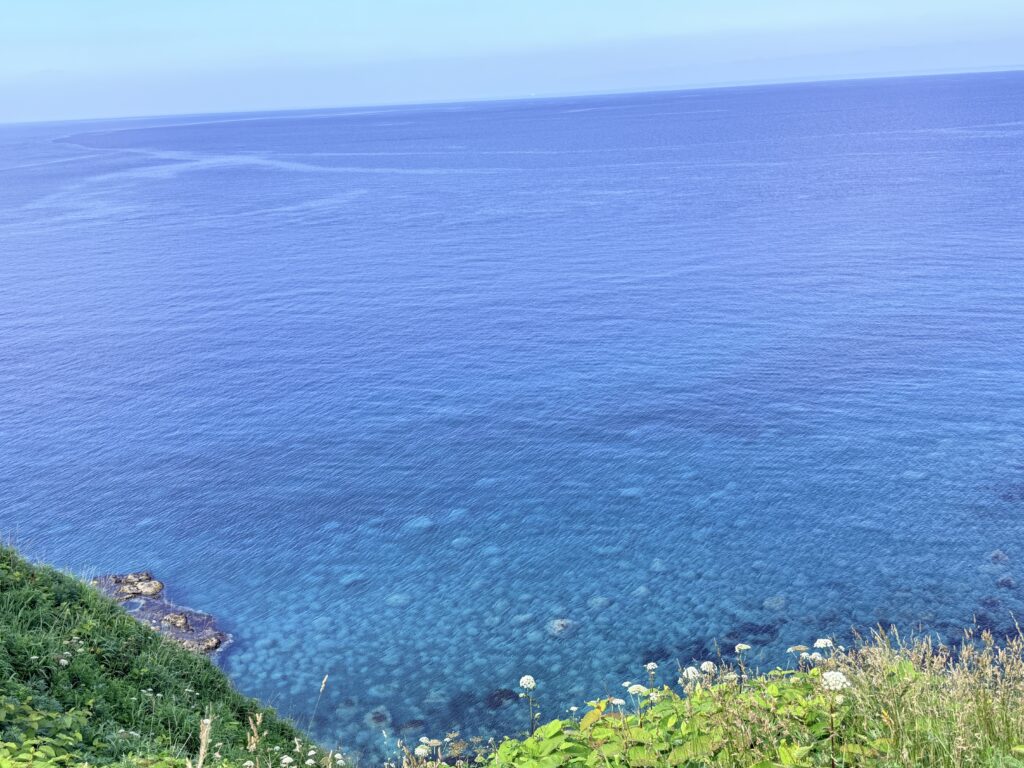
The weather was clear during our July 3 visit, and the combination of blue sky, green ridges, and the vivid Shakotan Blue sea was stunning. We stopped several times along the trail to take photos and enjoy the scenery.
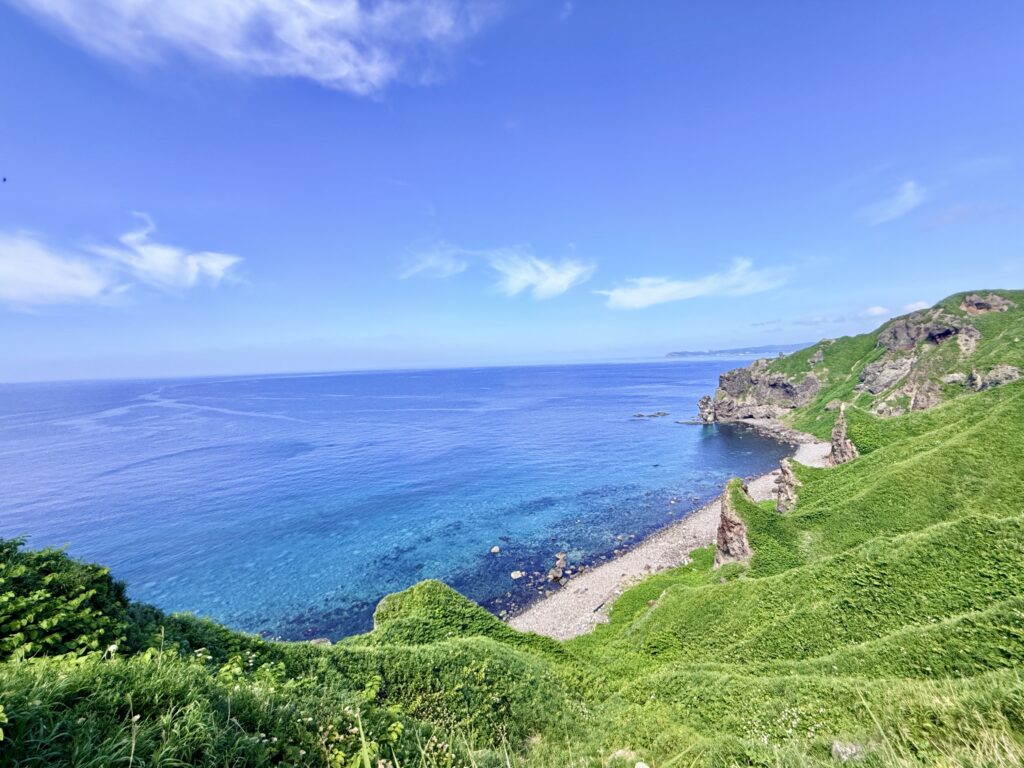
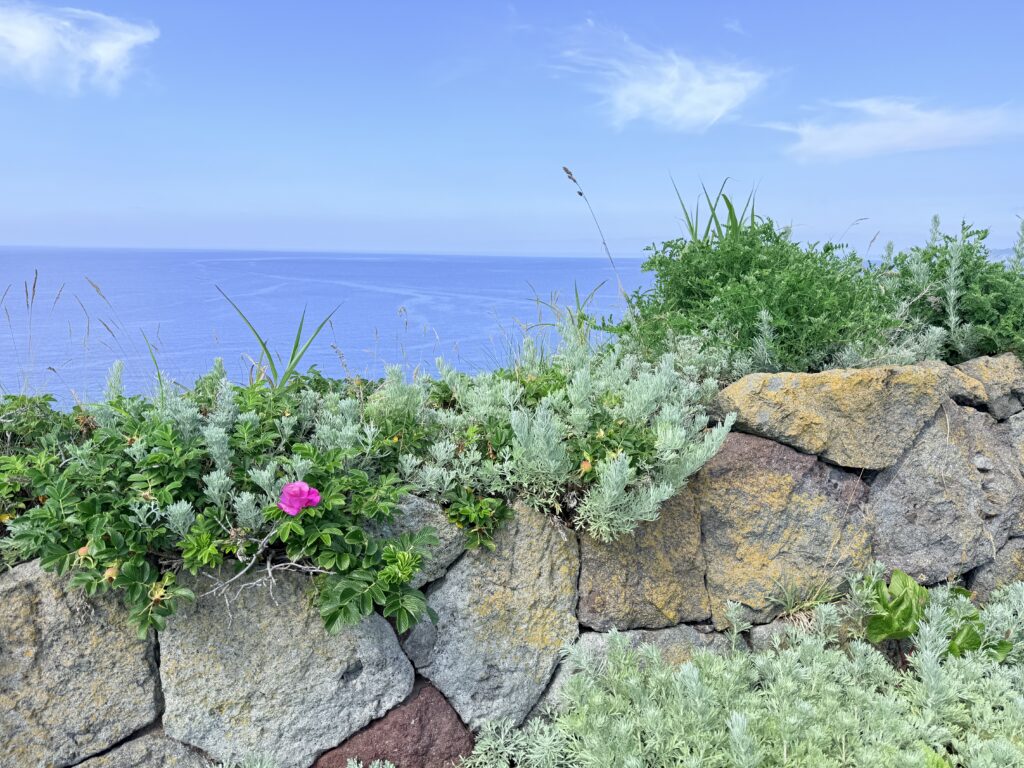
At the tip of the cape, you can see Cape Kamui Lighthouse and Kamui Rock surrounded by the Sea of Japan. Summer flowers, including rugosa roses, also added color to the landscape during our visit.
The Women-Forbidden Gate and the Legend of Charenka
Women can pass through the gate today, but its name reflects the history and legends associated with Cape Kamui.
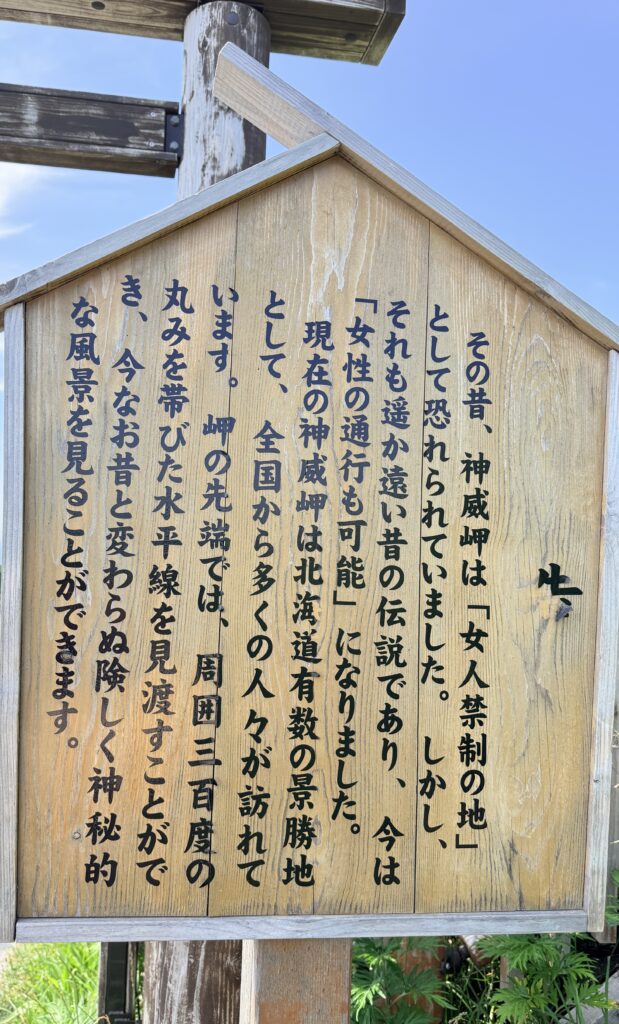
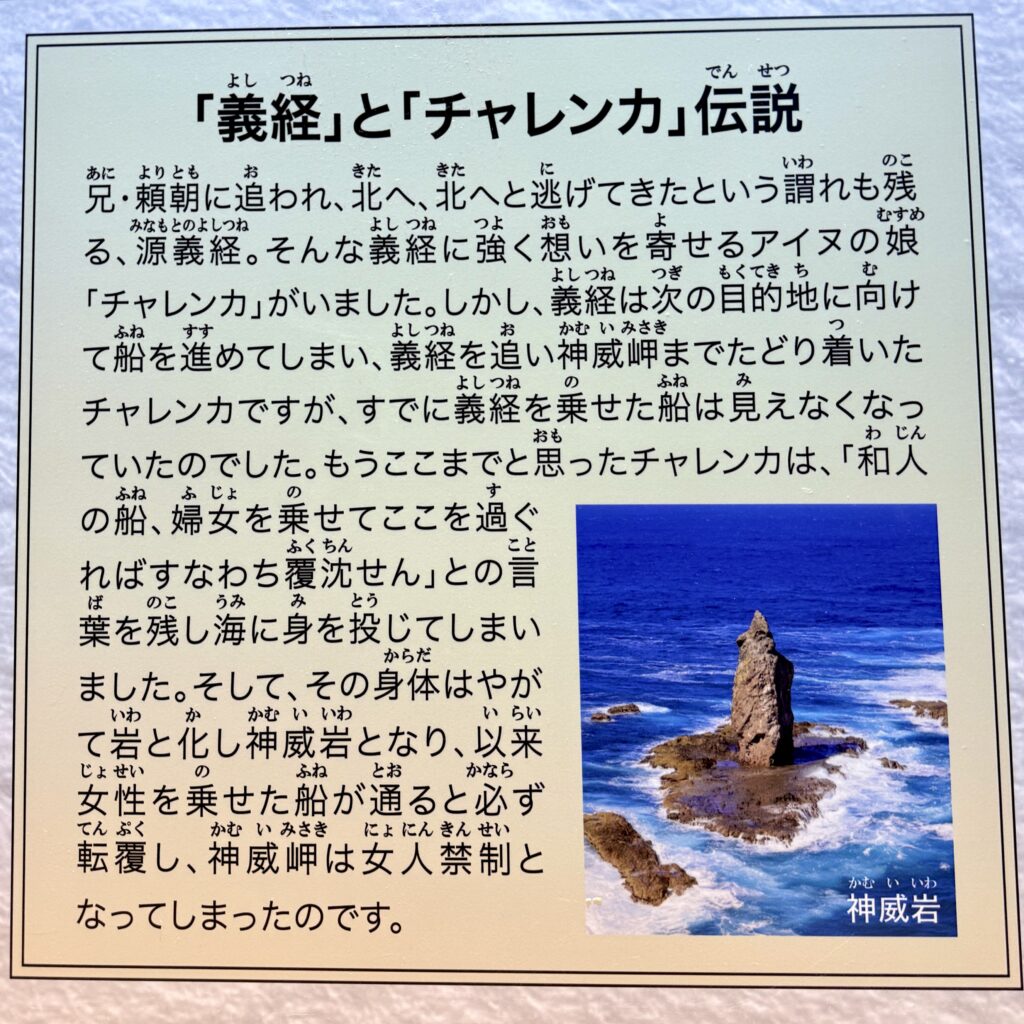
Local displays introduce the story of Charenka, an Ainu woman who is said to have followed Minamoto no Yoshitsune to Cape Kamui and become connected with the legend of Kamui Rock.
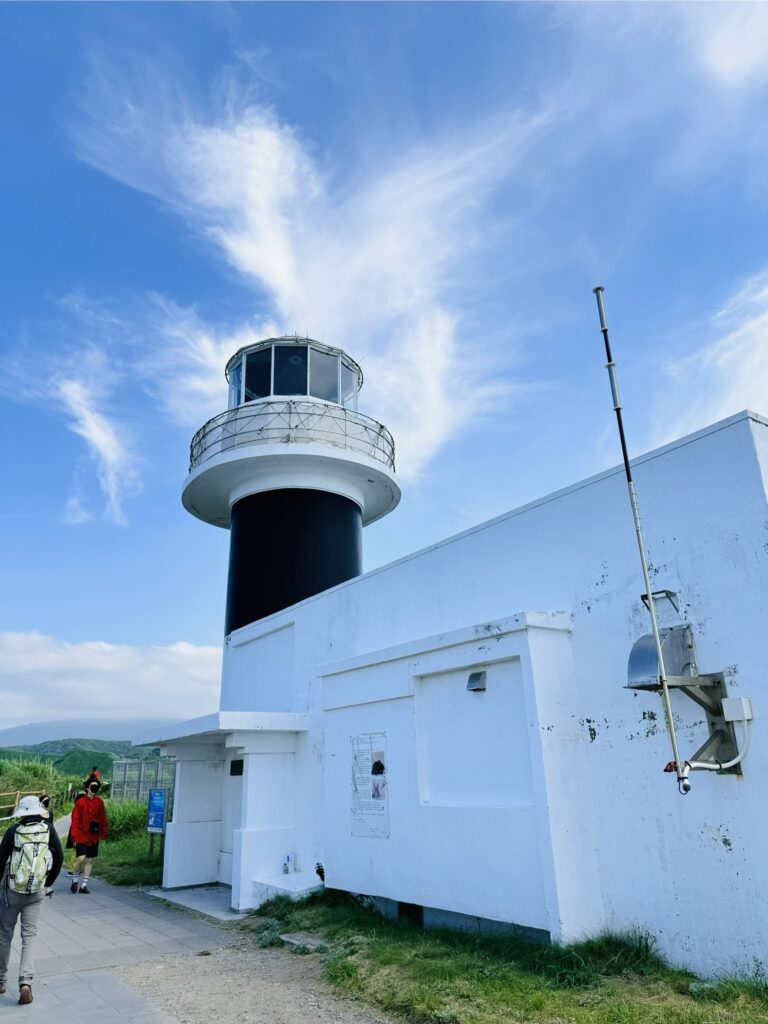
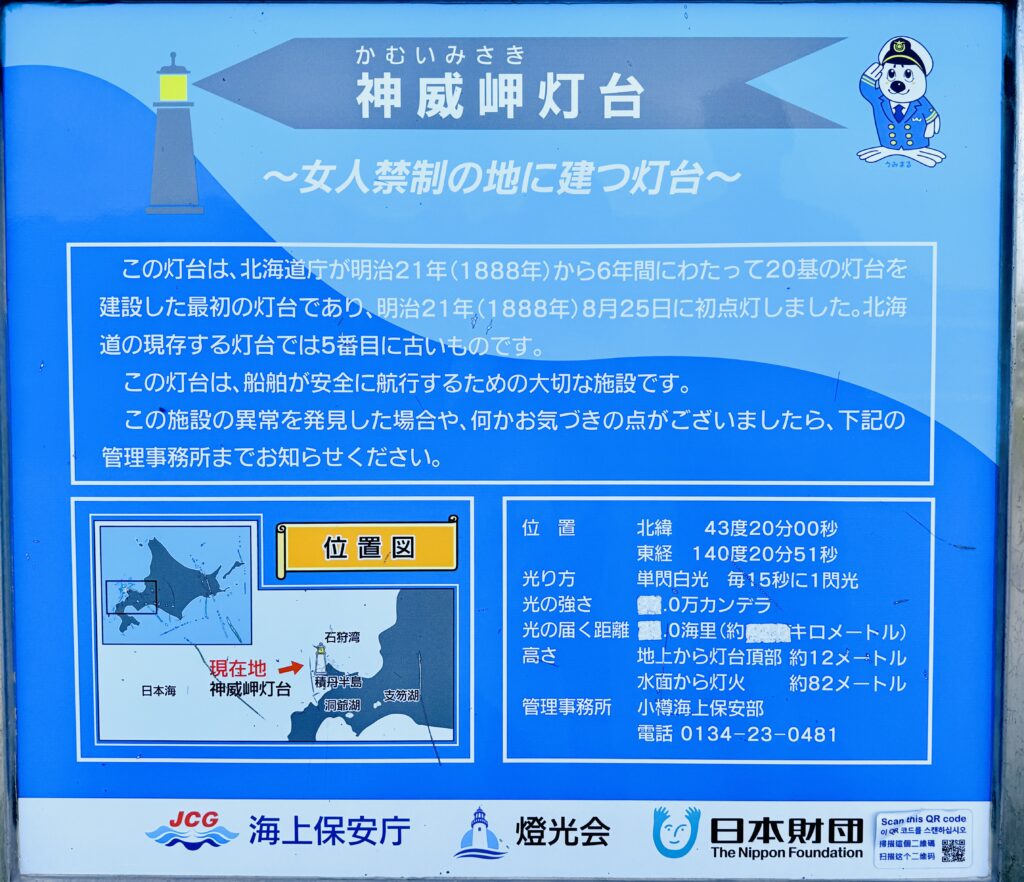
Cape Kamui Lighthouse and Its Historic Lenses
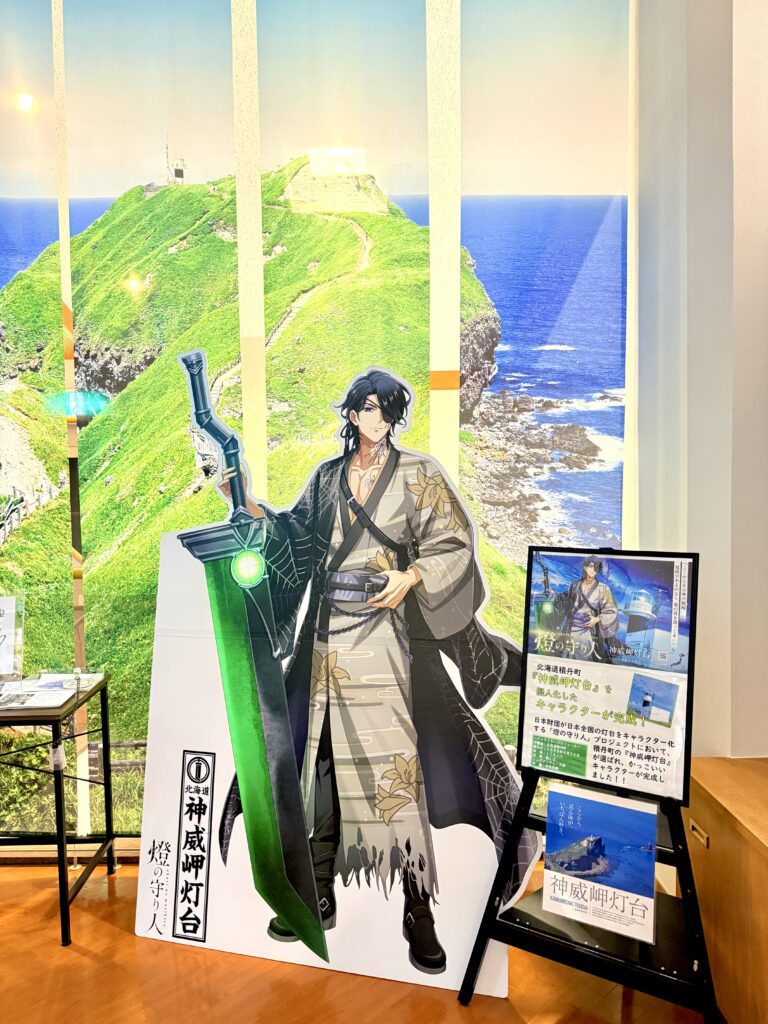
Cape Kamui Lighthouse was first lit on August 25, 1888. Displays at the site introduce the history of the lighthouse and the lives of the lighthouse keepers and their families who once lived in this remote location.
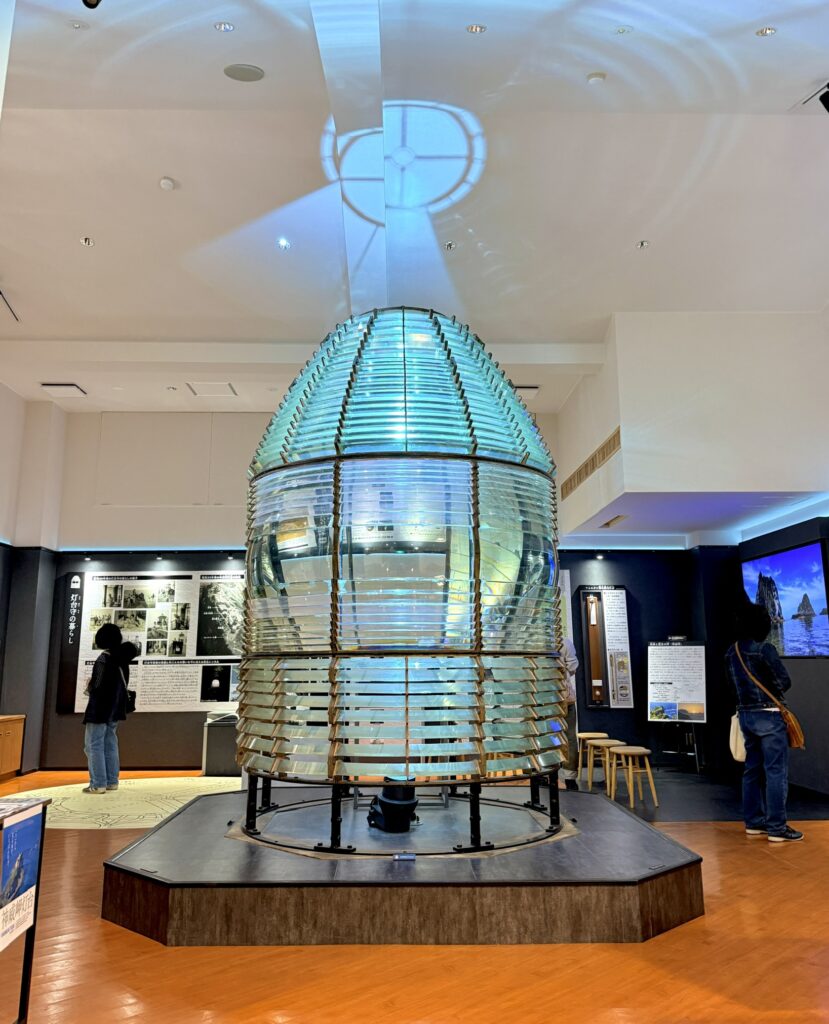
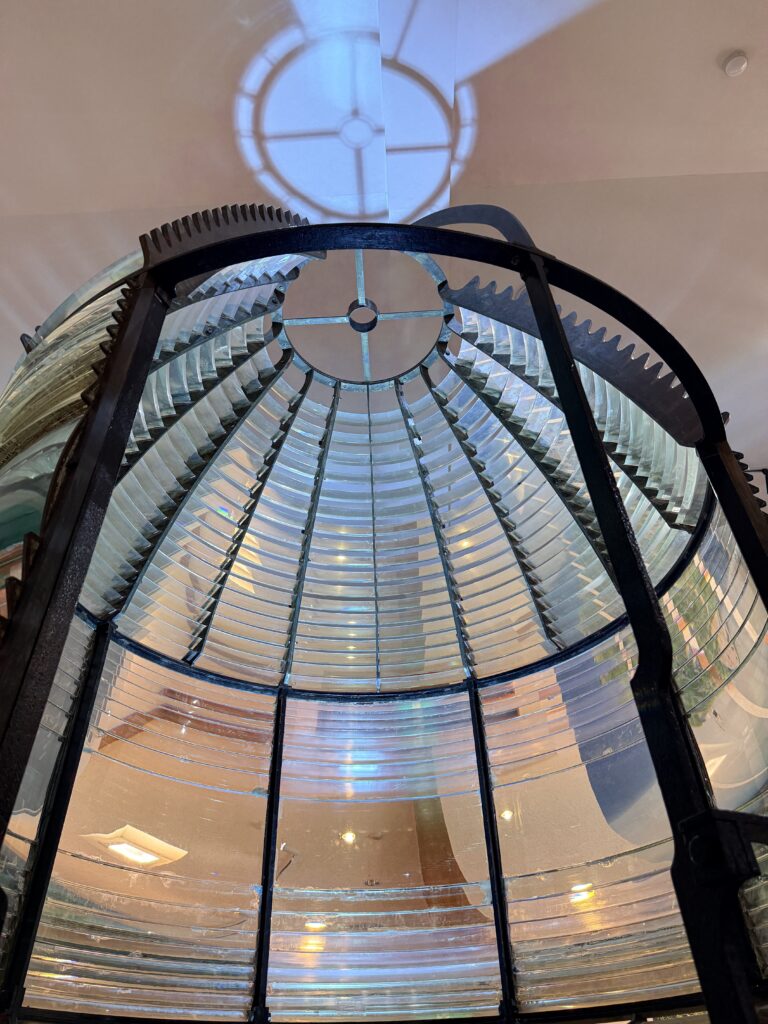
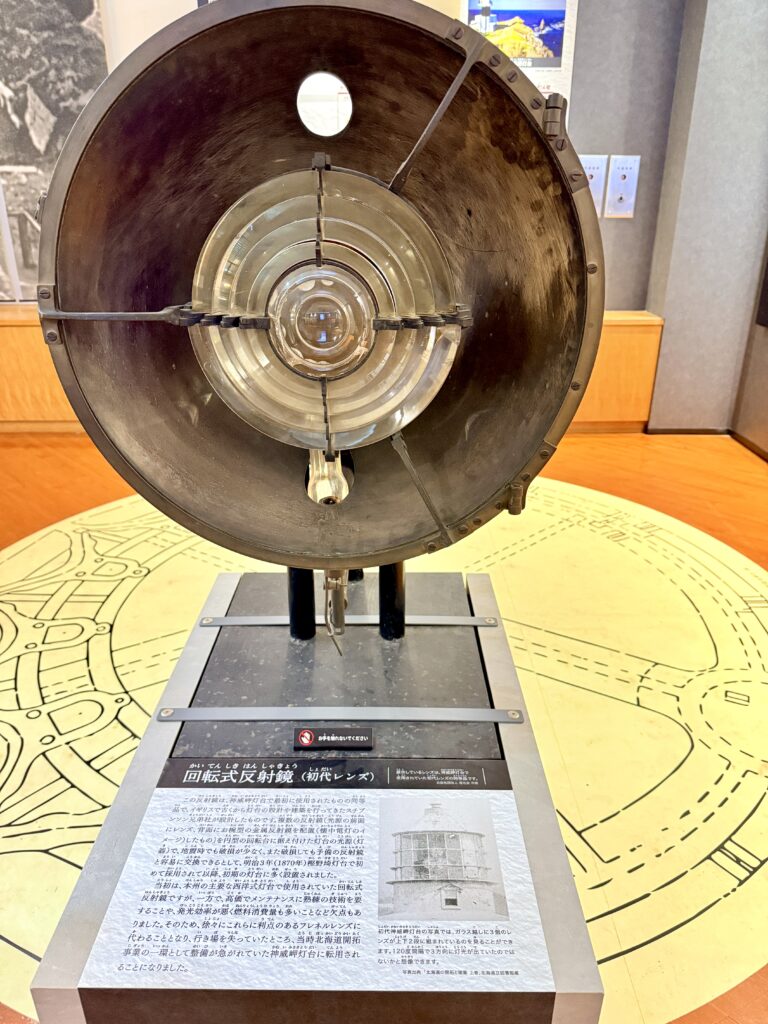
At Kamui Banya, visitors can also see exhibits related to the lighthouse lenses. These include information about the early rotating reflector system and the large first-order fixed lens that was later used at Cape Kamui Lighthouse.
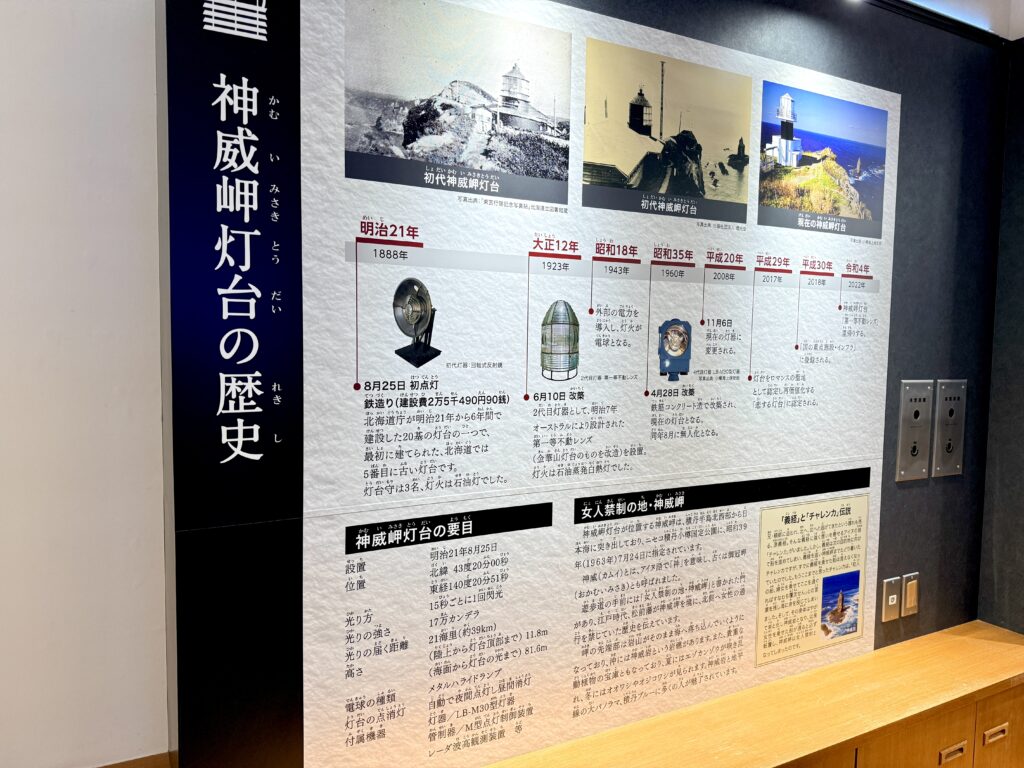
Seeing the lighthouse after learning about its history made the walk feel like more than a scenic hike. Cape Kamui combines dramatic coastal scenery with stories of navigation and life along this remote part of Hokkaido.
Remains of a Wartime Radio Detection Facility
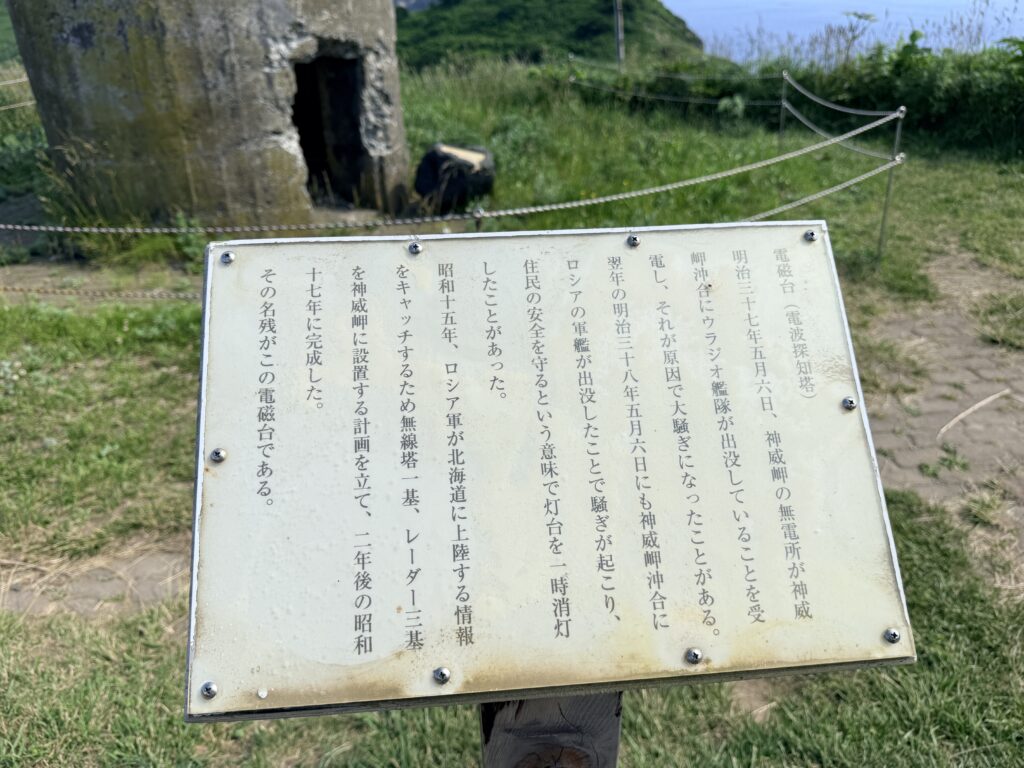
Cape Kamui also has concrete remains associated with a wartime radio detection facility. At first glance, they may look like old concrete structures, but the information board at the site explains their historical background.
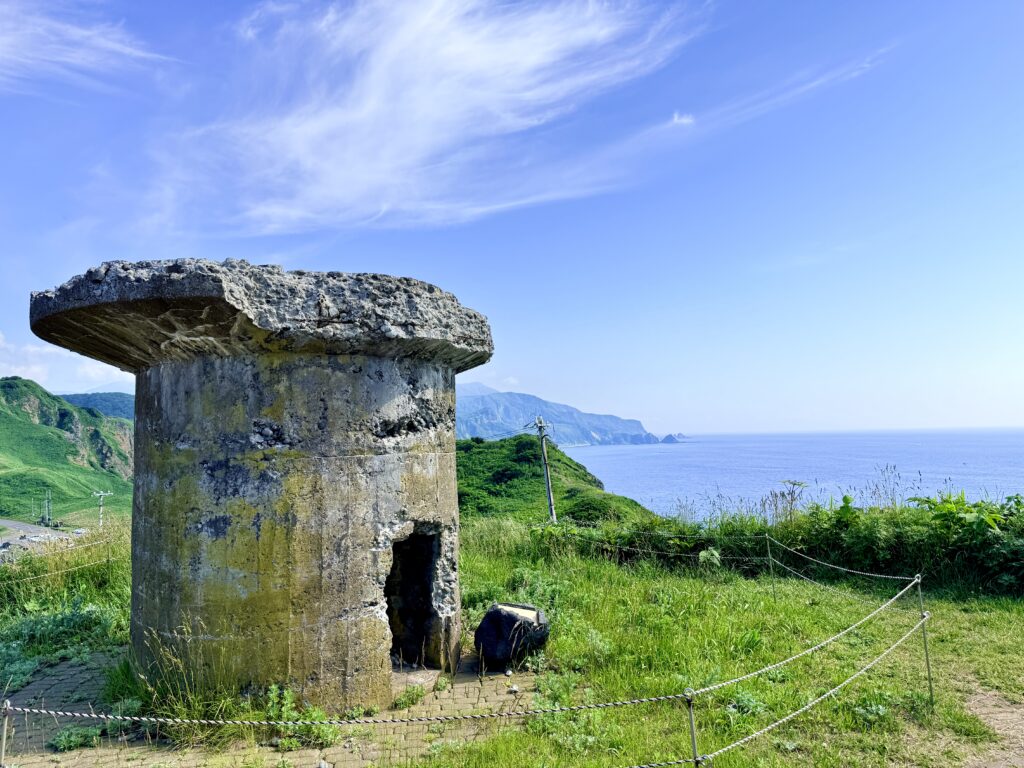
According to the display, a plan was made in 1940 to install a radio tower and three radar units at Cape Kamui, with construction completed in 1942. It is another lesser-known piece of history to look for while exploring the cape.
Cape Kamui Parking, Access & Walking Time
Cape Kamui Visitor Information
- Name: Cape Kamui
- Location: Kozakicho, Shakotan, Hokkaido, Japan
- Admission: Free
- Parking: Approximately 200 spaces, free
- Large vehicles: Parking spaces for sightseeing buses are available
- Toilets: Available around the parking area
- Our visit: July 3, 2026
- Our total visit time: Just under 2 hours
Cape Kamui Natural Park hours in July
Opening hours: 8:00 a.m.–6:00 p.m.
Last entry: 5:00 p.m.
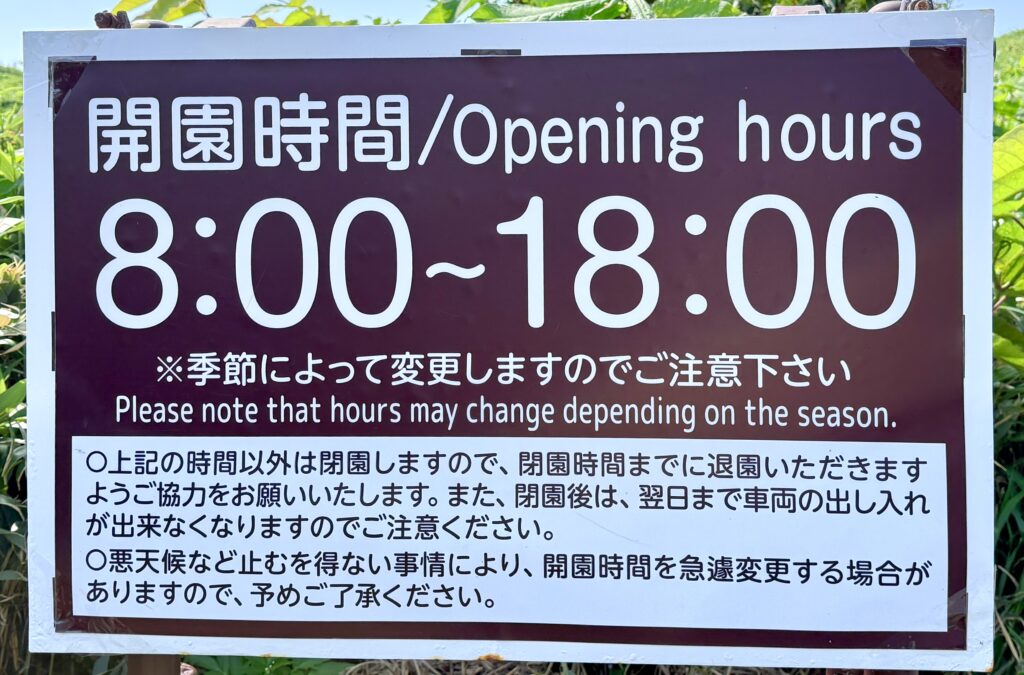
Opening and gate conditions may change depending on weather and wind.
Large Free Parking Area
During our July 3 visit, the regular parking area was about 70% full. We also counted seven large sightseeing buses, so the area was clearly busy with visitors.
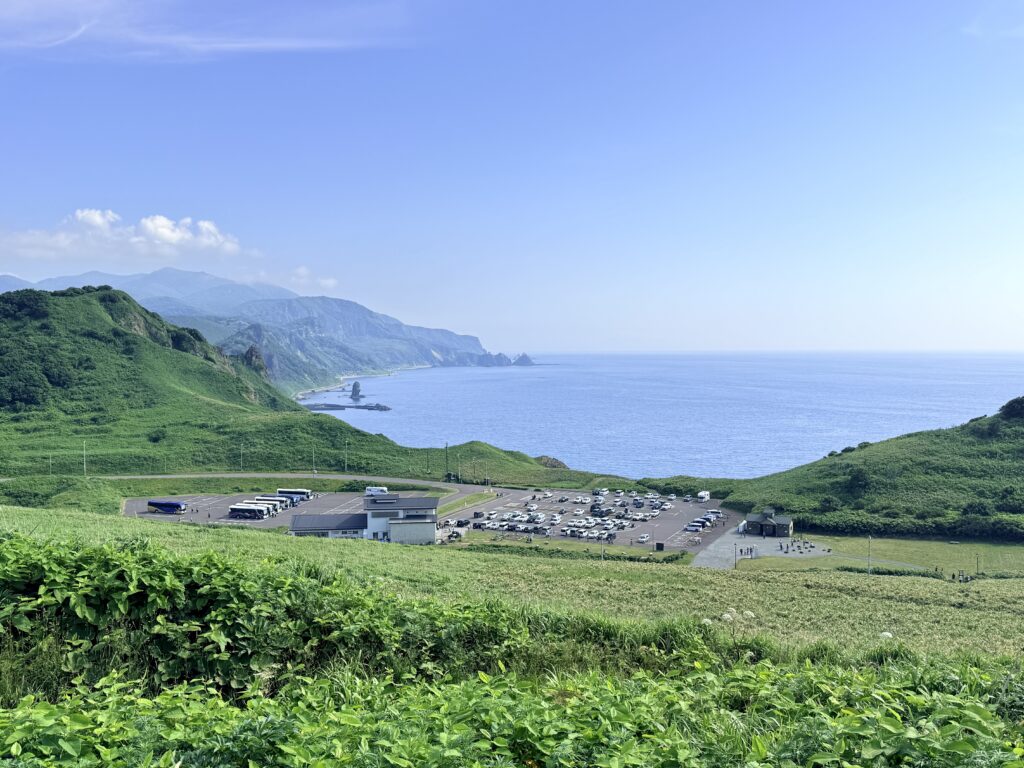
The official Hokkaido tourism website lists approximately 200 free parking spaces at Cape Kamui. From the parking area, it took us about 10–15 minutes to walk uphill to the Women-Forbidden Gate.
Driving to Cape Kamui
We did not encounter traffic congestion or particularly difficult road conditions on our drive to Cape Kamui. Instead, the route gave us beautiful views of blue sky, the Shakotan coastline, and green mountains.
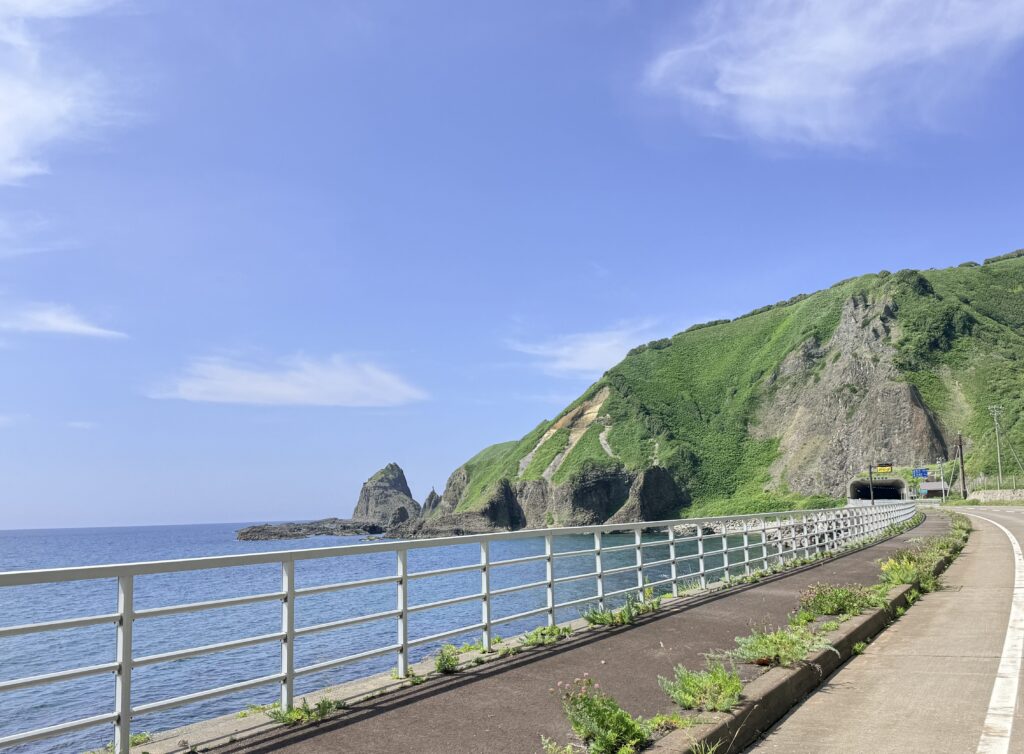
Official Hokkaido tourism information gives an approximate driving time of 70 minutes from JR Yoichi Station and 90 minutes from JR Otaru Station. Cape Kamui works especially well as part of a road trip around the Shakotan Peninsula.
Use the Toilets Before Starting the Trail
There are toilets around the parking area. Although there were many visitors when we went, several toilets were available and I was able to use one without a significant wait.
If you plan to walk all the way to the tip of Cape Kamui, using the restroom before starting the trail is the easiest option.
Cape Kamui FAQ
How long does it take to walk from the Cape Kamui parking area to the tip?
During our visit, it took about 10–15 minutes from the parking area to the Women-Forbidden Gate. The round trip from the gate to the tip took about one hour, including photo stops and time spent waiting for other visitors to pass.
Is the Charenka Trail difficult?
It is not a flat walking path. The approach to the gate is uphill, and the Charenka Trail has stairs and repeated changes in elevation. Comfortable walking shoes are recommended if you plan to continue all the way to the tip.
Is Cape Kamui suitable for children?
We visited as two adults, so I cannot give a firsthand review of walking the trail with children. The route involves a fair amount of walking, stairs, and elevation changes, so families should decide how far to go based on each child’s age and stamina.
Can women pass through the Women-Forbidden Gate?
Yes. Women can pass through the gate today. However, the gate leading toward the tip may be closed during strong winds or other unsafe weather conditions.
Is parking at Cape Kamui free?
Yes. Official Hokkaido tourism information lists approximately 200 free parking spaces. During our July 3 visit, the regular parking area was about 70% full, and we counted seven large sightseeing buses.
Are there toilets at Cape Kamui?
Yes. Toilets are available around the parking area. There were many visitors during our trip, but I was able to use the facilities without a significant wait. It is best to use them before heading toward the tip.
Can you eat at Cape Kamui?
Kamui Banya near the parking area has a restaurant and souvenir shop. We did not eat a meal there on this visit, but we did try a Shakotan Blue mixed soft-serve ice cream after our walk.

Tips Before Walking the Cape Kamui Trail
July Scenery: Shakotan Blue and Green Coastal Ridges
We visited on July 3 and were lucky to have clear blue skies. The contrast between the Shakotan Blue sea and the green coastal ridges was one of the highlights of our visit.
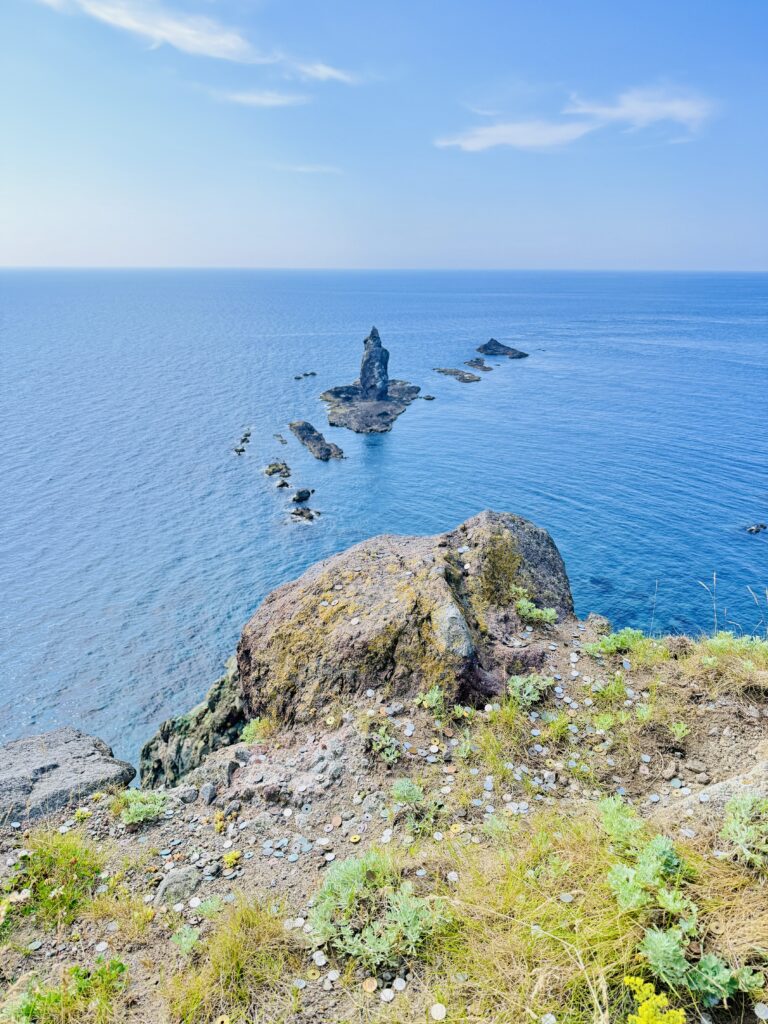
We also saw summer flowers along the way, including rugosa roses with the blue sea in the background.
Wear Comfortable Walking Shoes
The walk from the parking area to the Women-Forbidden Gate is uphill, and the trail beyond it includes stairs and repeated elevation changes. Sneakers or other comfortable walking shoes are a better choice if you plan to reach the tip.
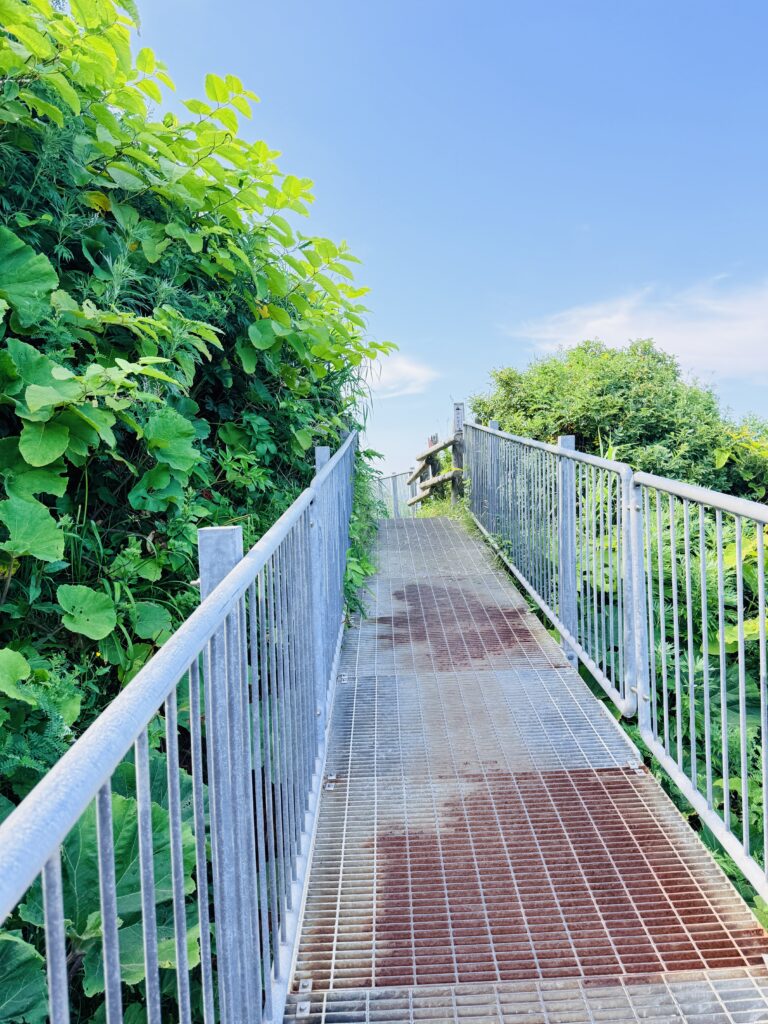
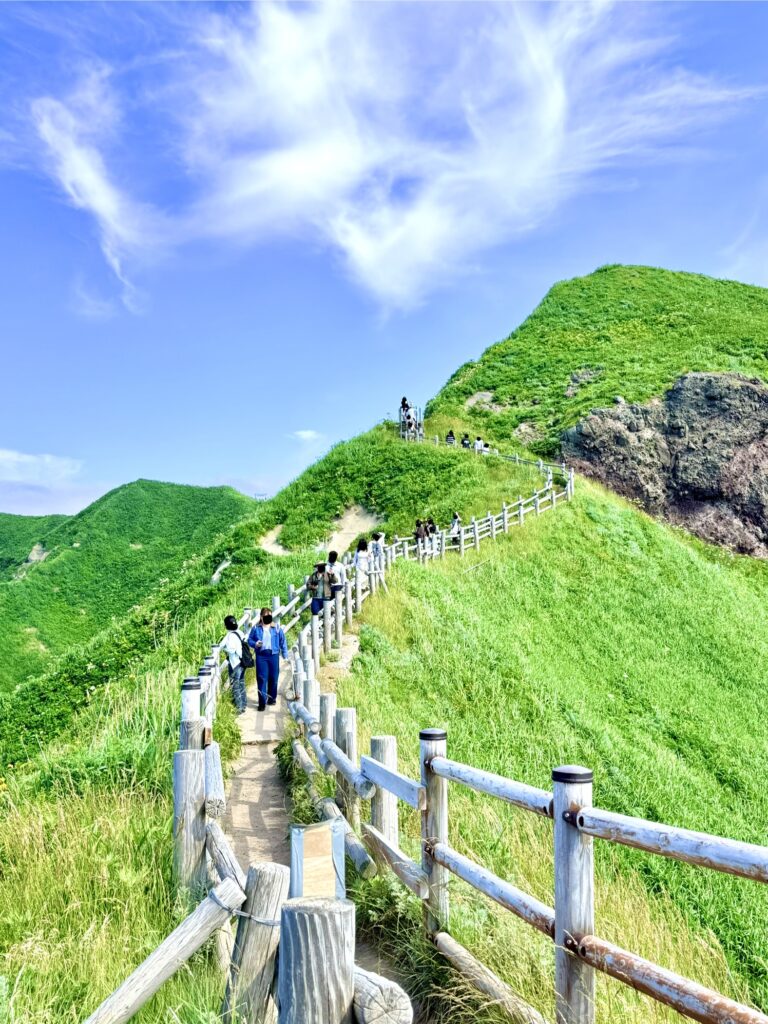
When the trail is busy, narrow sections can also require visitors to stop and let others pass. Allow extra time for photos, short breaks, and other walkers.
Bring Water and Prepare for Sun Exposure
There is limited shade along much of the trail. For a summer visit, carrying water and preparing for direct sunlight makes the walk more comfortable.
Check the Gate Before You Go
Access to the trail toward the tip can change depending on strong winds and other weather conditions. If reaching the tip is an important part of your trip, check the latest official information before leaving.
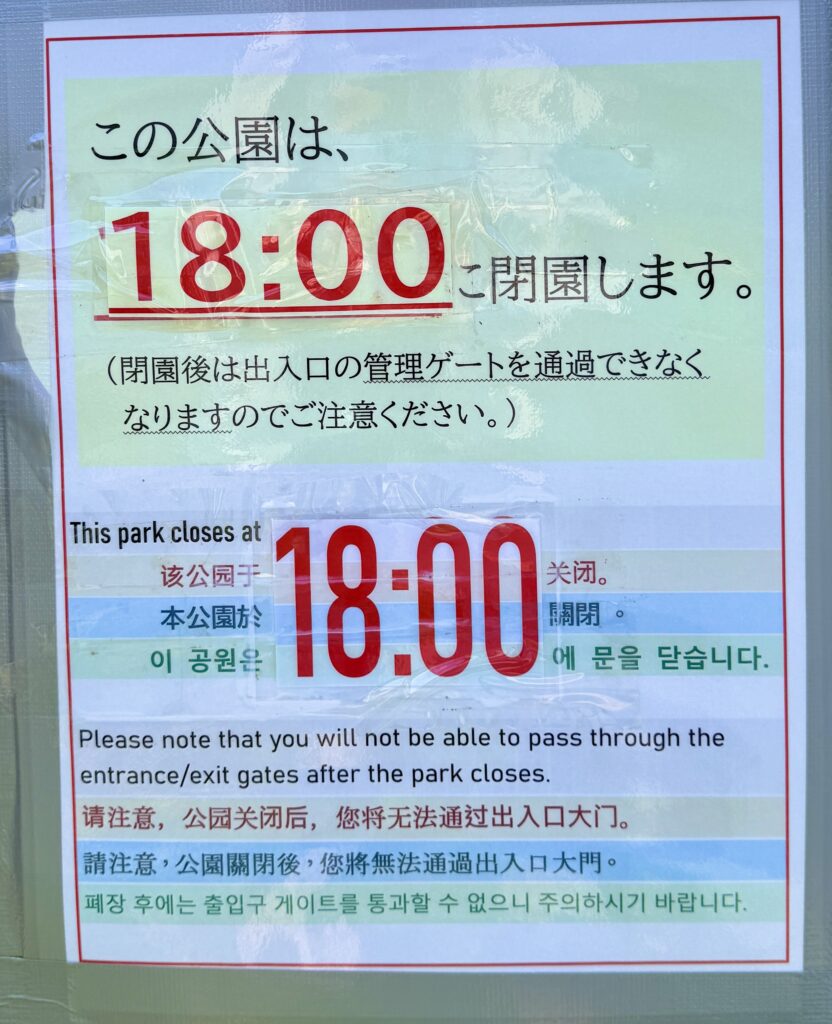
July opening hours
Cape Kamui Natural Park: 8:00 a.m.–6:00 p.m.
Last entry: 5:00 p.m.
Allow plenty of time if you want to walk all the way to the tip and back.
Is Cape Kamui Worth Visiting?
- Travelers who want to see the famous Shakotan Blue sea
- Visitors looking for dramatic coastal photography spots
- People who enjoy combining scenic drives with walking
- Travelers interested in lighthouses and local history
- Anyone with enough time to explore the Shakotan Peninsula at a relaxed pace
Choose How Far to Walk Based on Your Time and Stamina
The scenery from the tip is a major part of the Cape Kamui experience, but reaching it requires a fair amount of walking. If you have limited time or prefer a shorter walk, you can still enjoy views around the Women-Forbidden Gate area without continuing all the way to the tip.

For us, the entire visit took just under two hours, including photos and our stop at Kamui Banya. After the walk, we had a Shakotan Blue mixed soft-serve ice cream before leaving.

What stayed with me most was not only the color of the sea. Walking along the narrow ridge toward the lighthouse and Kamui Rock made the journey itself part of the experience.
For travelers who enjoy scenery, walking, road trips, and local history, Cape Kamui is one of the places on the Shakotan Peninsula worth setting aside enough time to explore.
More to Explore Around Cape Kamui
Kamui Banya: Souvenirs, Food and Soft-Serve Ice Cream
Kamui Banya is located near the Cape Kamui parking area. Inside, visitors can browse Shakotan souvenirs, and there is also a restaurant serving meals including seafood bowls and noodle dishes.
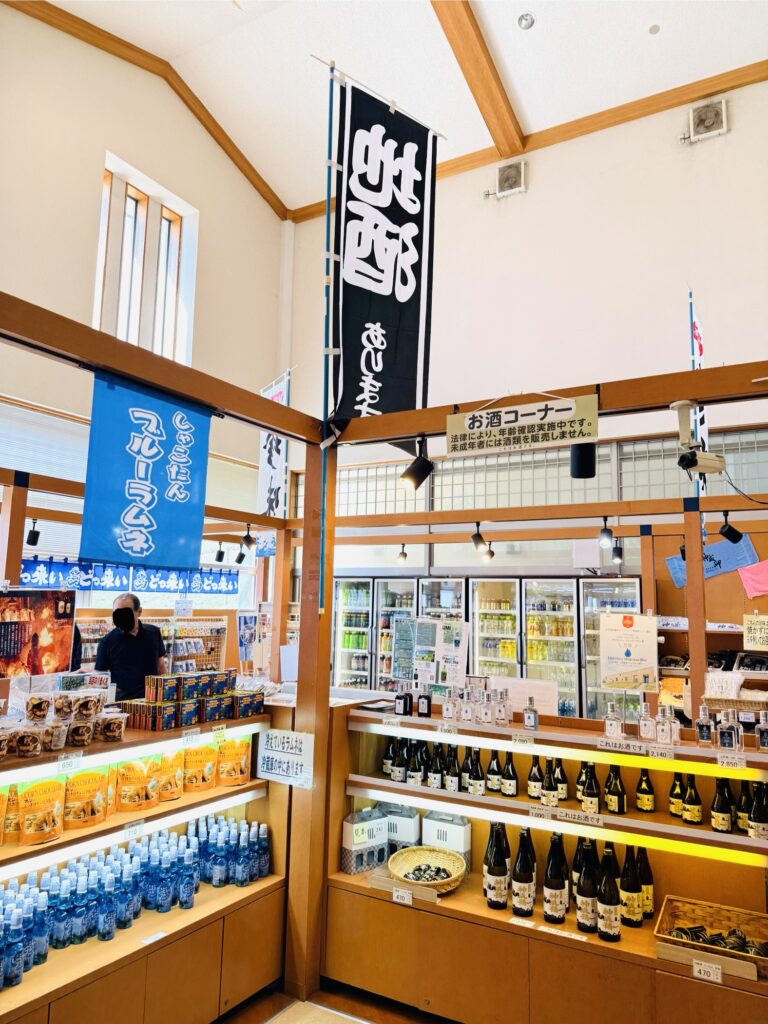

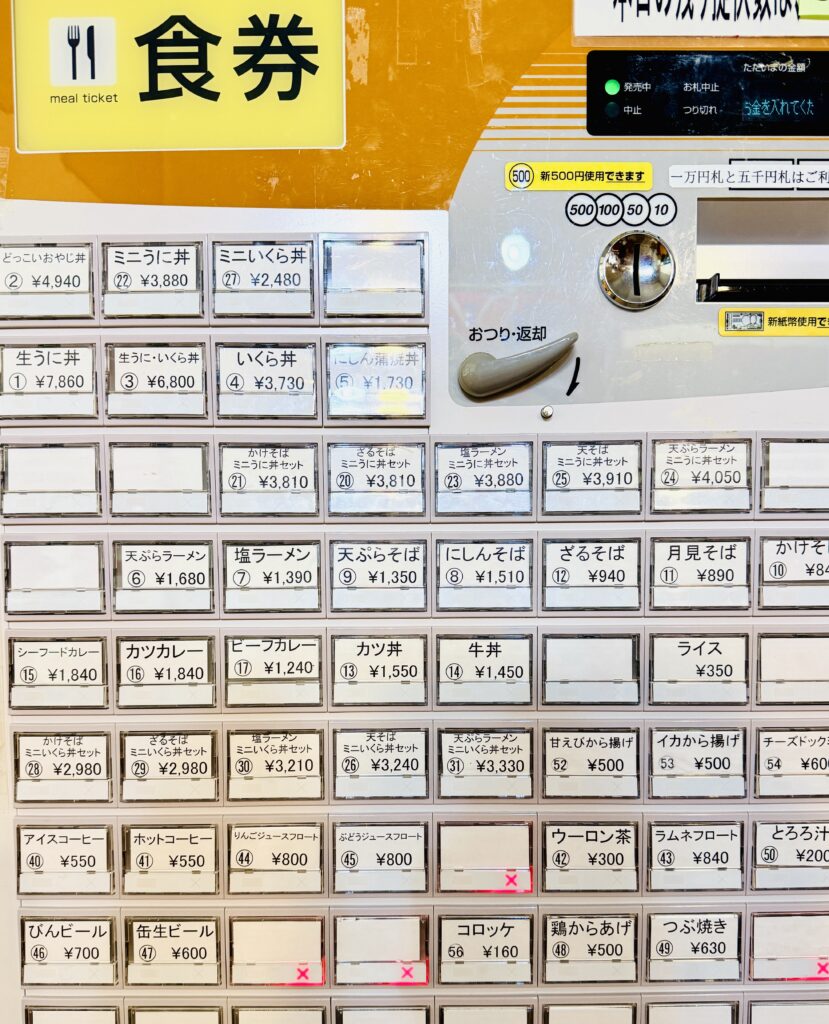

We did not have a meal during this visit, so I cannot give a firsthand review of the restaurant. Instead, we stopped for a Shakotan Blue mixed soft-serve ice cream after walking the trail.
Kamui Banya also has displays related to the history of Cape Kamui Lighthouse, including the large first-order fixed lens once used at the lighthouse. It is worth looking around before or after walking the cape.
Underwater Sightseeing Boat New Shakotan
Another sightseeing option in the Shakotan area is the underwater sightseeing boat “New Shakotan.” The boat departs from the Bikuni area rather than Cape Kamui, so it should be planned as a separate stop when exploring the peninsula.
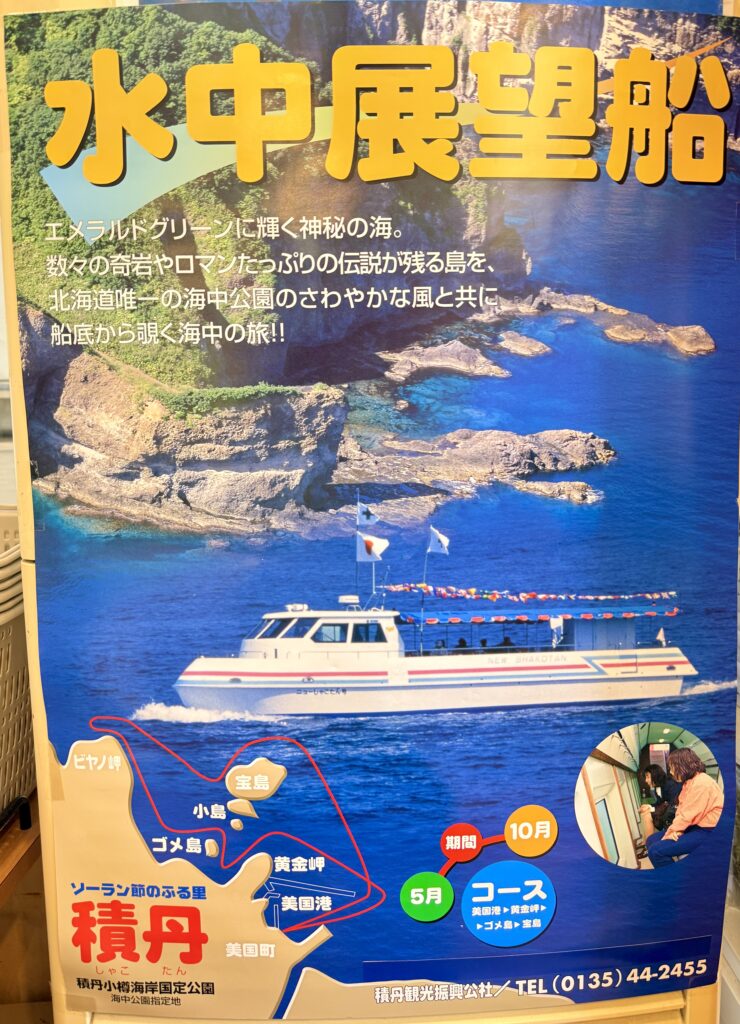
We did not ride the boat on this trip. However, we saw information about the sightseeing route during our visit, so travelers who want to experience the Shakotan coastline from the water can check the latest operating information separately.
Check the Latest Cape Kamui Information Before You Go
Cape Kamui gate conditions can change because of wind, rain, and other weather conditions. If walking the Charenka Trail to the tip is your main reason for visiting, check the latest official information before setting out.
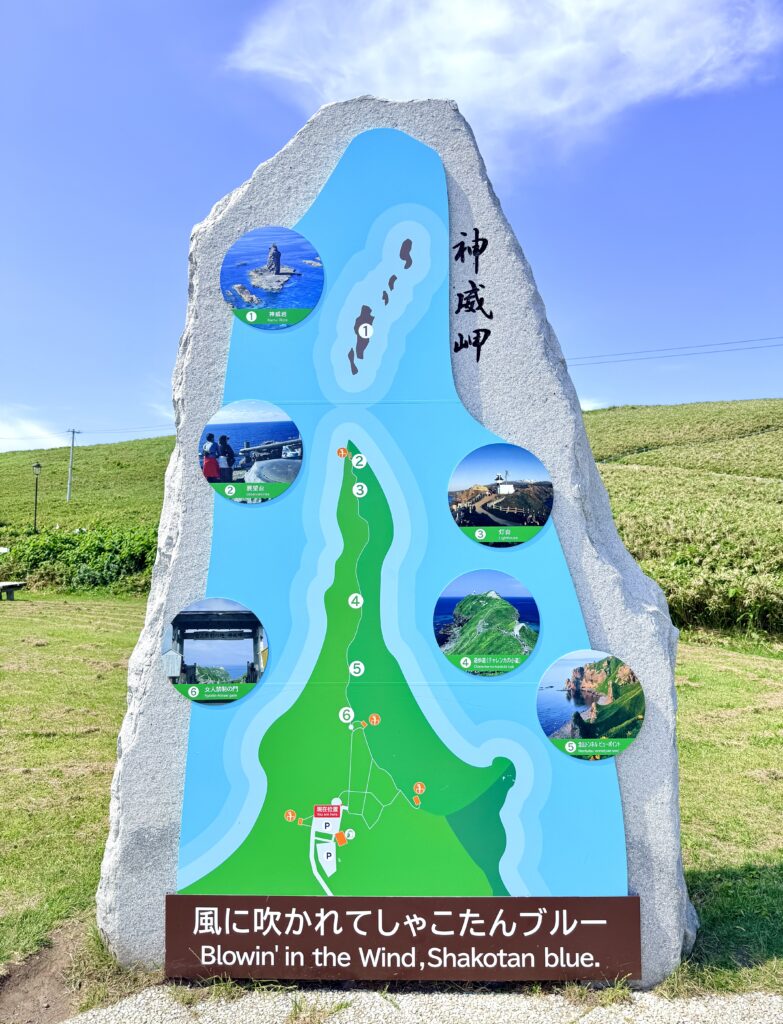
Cape Kamui opening and last-entry information
Shakotan Town|Cape Kamui Natural Park Opening Hours
Latest Shakotan tourism information
Shakotan Tourism Association|Information
Kamui Banya on Google Maps
View Kamui Banya on Google Maps
If you plan to walk to the tip, check the gate conditions before leaving and allow around two hours for a relaxed Cape Kamui visit.